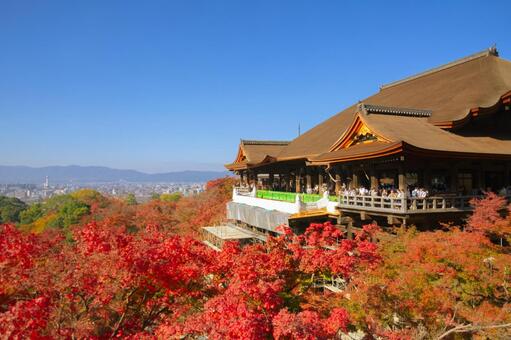
Kiyomizu-dera
A representative temple of Kyoto, famous for the "Stage of Kiyomizu".
1. The Breathtaking "Stage of Kiyomizu"
The biggest highlight is undoubtedly the "Stage of Kiyomizu" projecting from the main hall.
- Nail-less Architecture: Built on a steep cliff, this stage uses a traditional Japanese method called "Kake-zukuri," assembled without a single nail. Looking up at the massive Zelkova pillars supporting the stage is overwhelming.
- Panorama of Kyoto City: Standing on the stage offers a panoramic view of Kyoto. You can see Kyoto Tower in the distance, enjoying a mix of ancient tradition and modern scenery. It is also the origin of the idiom "Jumping off the stage of Kiyomizu" (meaning to make a bold decision).
2. "Otowa Waterfall", the Origin of the Name
Located down the stone steps east of the main hall is "Otowa Waterfall". The pure water springing from here is the origin of the name Kiyomizu-dera (Pure Water Temple).
The water falls in three streams, each said to grant a specific benefit:
- Academic Success
- Success in Love
- Longevity
It is said that catching this water with a long ladle and drinking it while making a wish will grant you its blessing.
3. Majestic Entrance "Nio-mon" and "Three-Story Pagoda"
At the top of the approach (Kiyomizu-zaka), visitors are welcomed by the vibrant vermilion "Nio-mon (Deva Gate)".
Behind it stands the "Three-Story Pagoda," boasting a height of about 31 meters, one of the tallest in Japan. Its vivid vermilion color creates a beautiful contrast with the blue sky and surrounding greenery, making it a perfect photo spot.
4. Experience in Darkness "Zuigu-do Tainai Meguri"
At Zuigu-do near Nio-mon, you can experience the unique "Tainai Meguri" (Womb Tour).
Visitors walk through a pitch-black space beneath the hall, symbolizing the womb of the Daizuigu Bodhisattva, guided only by a large prayer bead rope. It is said that finding and turning the glowing stone in the darkness will grant a wish, offering a sense of "rebirth" in the deep silence.
5. Seasonal Expressions
Kiyomizu-dera shows completely different expressions depending on the season.
- Spring: The entire mountain is dyed pink, and the sea of clouds of cherry blossoms looking down from the stage is a masterpiece.
- Autumn: The precincts are wrapped in burning autumn colors.
- Night Viewing: During the special light-ups in spring, summer, and autumn, a single blue beam of light (representing the mercy of Kannon) is released into the night sky, creating a fantastical atmosphere.
Address: 1-294 Kiyomizu, Higashiyama-ku, Kyoto City
Hours: 9:00 - 18:00
Fee: Adult 500 JPY
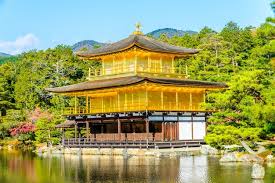
Kinkaku-ji
A World Heritage temple featuring a beautiful golden reliquary hall.
1. Fusion of Styles "Shariden (Gold Pavilion)"
The main attraction is undoubtedly the golden "Shariden" standing by the pond. Interestingly, this building features a different architectural style on each of its three floors.
- 1st Floor: Shinden-zukuri
Called "Hossui-in," it features an elegant style reminiscent of aristocratic residences. This represents the only floor without gold leaf, featuring plain wood. - 2nd Floor: Buke-zukuri
Called "Choon-do," it represents the strength of the samurai class. - 3rd Floor: Zen Style
Called "Kukkyo-cho," it features prestigious Zen-style windows (Kato-mado).
The harmony of these styles symbolizes the fusion of aristocratic, samurai, and Buddhist cultures under Ashikaga Yoshimitsu.
2. "Inverted Kinkaku" and Kyoko-chi Pond
The large pond spreading in front of the Golden Pavilion is called "Kyoko-chi (Mirror Pond)".
As the name suggests, it is designed to reflect the pavilion like a mirror. On clear, windless days, you can see the magical sight of the "Inverted Kinkaku" shining on the water surface. The islands and stones in the pond also represent the Pure Land.
3. Power Spot for Success "Ryu-mon Falls"
Walking around the back of the pavilion and up the mountain path, you will find "Ryu-mon Falls" (Dragon Gate Falls).
There is a pointed stone placed below the falls called the "Carp Stone." This represents the Chinese legend of "Gateway to Success" where a carp that climbs the waterfall becomes a dragon. It is a popular spot for those praying for success.
4. The World of Wabi-Sabi "Sekka-tei"
Located near the end of the route is a rustic tea house called "Sekka-tei".
It was named "Sekka" (Evening Beauty) because the Golden Pavilion looks beautiful in the evening sun from here. In contrast to the gorgeous pavilion, you can feel the world of "Wabi-Sabi" with its thatched roof.
5. Winter Exclusive "Snow Makeup"
It is said that Kinkaku-ji is most beautiful on snowy days.
- Contrast of White and Gold: The contrast between the pure white snow on the roof/garden and the golden building is breathtakingly beautiful.
- Rarity: Days with heavy snow accumulation in Kyoto are rare (only a few times a year). Due to this rarity, many photographers visit early in the morning on snowy days.
Address: 1 Kinkakuji-cho, Kita-ku, Kyoto City
Hours: 9:00 - 17:00
Fee: Adult 500 JPY
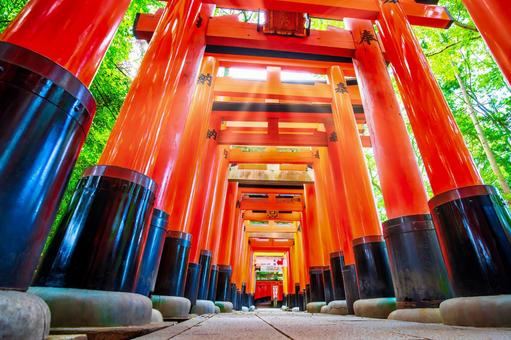
Fushimi Inari Taisha
A world-renowned shrine famous for its Thousand Torii Gates.
1. The Endless Red Tunnel "Senbon Torii"
The synonym for Fushimi Inari is definitely the "Senbon Torii" (Thousand Torii Gates).
Vermilion torii gates are lined up without gaps on the path from behind the main hall to the inner shrine. These were dedicated as a sign that a wish would "pass" (come true) or as thanks for a granted wish.
- Magic of Vermilion: Vermilion is a color that wards off evil and represents the vibrancy of life.
- The Fork in the Road: The entrance to the Thousand Torii splits into two routes, but both lead to the same place. Keep to the right.
2. Will Your Wish Come True? "Omokaru Stone"
Beyond the Thousand Torii Gates, at the "Okusha Hohaisho," is the famous "Omokaru Stone".
Make a wish in front of the stone lanterns, then lift the round stone (Ku-rin) on top of the lantern.
- If it feels lighter than expected: Your wish will come true soon.
- If it feels heavier than expected: More effort is needed to grant your wish.
It is a simple but exciting luck-testing spot popular with visitors.
3. Expressive "Foxes" of Inari
Instead of guardian dogs (Komainu), statues of "Foxes," the messengers of the deity, are enshrined throughout the grounds.
If you look closely, the foxes are holding different items in their mouths.
- Rice Ear: Abundant harvest
- Scroll: Wisdom
- Key: Key to the rice granary (Symbol of wealth)
- Jewel: Spiritual virtue (Power of the gods)
Paying attention to what they are holding adds to the fun of walking around.
4. Scenic Hiking "Mt. Inari Tour"
Proceeding further past the Thousand Torii, a pilgrimage course around Mt. Inari begins (about 4km, 2 hours).
The spot called "Yotsutsuji" halfway up offers a great view of Kyoto city. The sunset seen from here is exceptional, and if you are confident in your stamina, we recommend climbing up to here.
5. "Romon Gate" Donated by Toyotomi Hideyoshi
The grand "Romon Gate" stands at the start of the worship path.
It is said that this gate was donated by the ruler Toyotomi Hideyoshi to pray for his mother's recovery from illness. It is one of the largest shrine gates, impressing visitors with its vivid vermilion beauty and historical weight.
Address: 68 Fukakusa Yabunouchi-cho, Fushimi-ku, Kyoto City
Hours: Open 24 hours
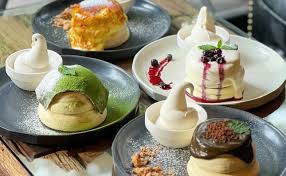
Panel Cafe Kyoto
A popular cafe where you can enjoy Gion's atmosphere and exquisite sweets.
1. "Scenic Terrace Seats" Overlooking Gion Shirakawa
The biggest highlight of this cafe is undoubtedly its location. It is located along "Gion Shirakawa," said to be the most picturesque spot in Kyoto.
We especially recommend the Terrace Seats facing the river.
- Seasonal Scenery: Cherry blossoms overhead in spring, cool willows and the sound of the river in summer, and red leaves in autumn. You can feel the four seasons of Kyoto just by sitting there.
- Great with Kimono: The stone-paved streets and river flow make a perfect background for photos in rental Kimonos.
2. Melt-in-your-mouth "Fluffy Souffle Pancakes"
Panel Cafe's signature dish is the "Souffle Pancake," which is thick yet light as air.
Since the meringue is whipped and carefully baked after the order is placed, the moment it is served is the best time to eat.
- Texture: It is so soft that you don't need a knife, and you can enjoy the mysterious texture that melts away in your mouth.
- Visuals: It is thick enough to wobble, making it perfect for videos.
3. Crispy & Chewy Texture "Croffle"
Popular alongside pancakes is the "Croffle," a Korean sweet made by baking croissant dough in a waffle maker.
It features a crispy outside and chewy inside, with a rich butter aroma that stimulates the appetite. Sometimes sold for eating on the go (depending on the season), it is perfect for walking around Gion.
4. Kyoto Exclusive "Matcha Menu"
Don't miss the Matcha Limited Menu, a pleasure unique to the Kyoto store.
Enjoying Japanese-Western fusion sweets, such as pancakes and drinks topped with rich matcha cream, is exceptional in the atmosphere of Gion. You can enjoy a mature taste that makes the best use of the bitterness of matcha without being too sweet.
Address: 1F J-Pride Gion Shirakawa, 165 Tokiwa-cho, Higashiyama-ku, Kyoto City
Hours: 10:00 - 17:00